What to Beware of When Getting Collision Repair
After an accident, getting your vehicle repaired may feel straightforward: choose a body shop, get an estimate, and wait for the repairs to be completed. In reality, collision repair can involve structural components, paint, suspension, electronic safety systems, insurance companies, replacement parts, and damage that may not be visible during the initial inspection.
So, what should you beware of when getting collision repair?
Some of the biggest warning signs include unusually low estimates, vague repair plans, poor communication, skipped safety-system calibrations, pressure to use a particular repair shop, and repairs that focus only on cosmetic damage.
Understanding what to look for can help you choose a collision repair facility that restores more than your vehicle’s appearance.
At R Works, we provide professional collision repair in San Antonio and help customers understand what their vehicle needs throughout the repair process.
1. Beware of an Estimate That Seems Too Good to Be True
Price matters, but the lowest collision repair estimate is not necessarily the best estimate.
Two repair shops can look at the same vehicle and provide substantially different estimates because they may be planning very different repairs.
One shop may include:
- Replacement of damaged components
- Proper refinishing procedures
- Paint blending
- Suspension or alignment inspections
- Scanning and diagnostics
- ADAS calibration
- Replacement clips, brackets, and hardware
- Manufacturer-required repair procedures
Another estimate may leave some of those operations out.
Instead of comparing only the bottom-line price, ask what is actually included in the repair.
A reputable collision repair facility should be willing to explain which parts are being repaired, which are being replaced, and what additional procedures may be required.
Learn more about R Works’ collision repair services on our Collision Repair page.
2. Don’t Assume the First Estimate Includes Everything
One of the most important things to understand about collision repair is that not all accident damage is immediately visible.
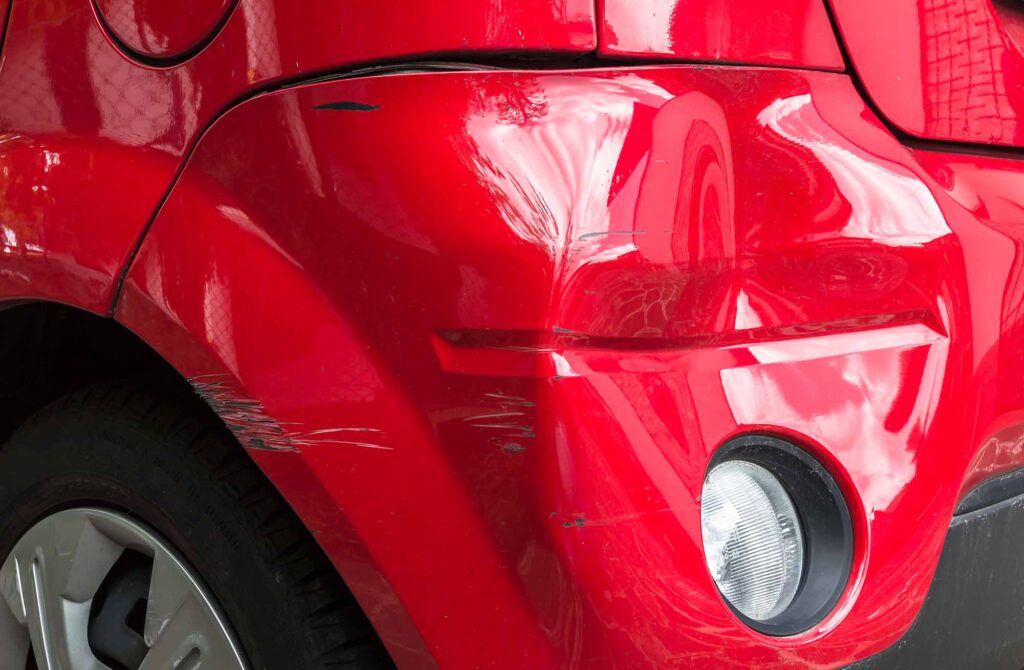
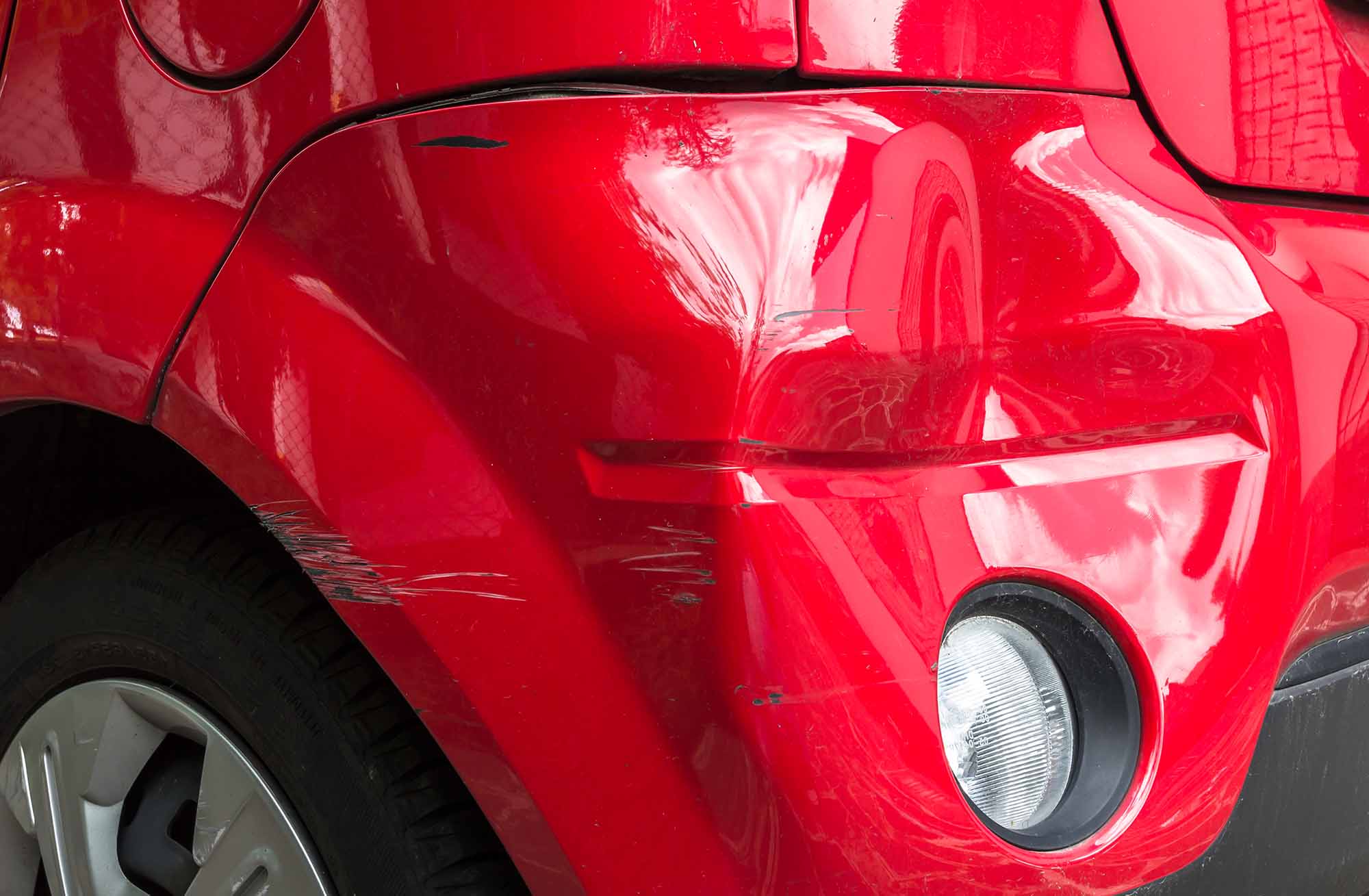
A damaged bumper cover, for example, can hide problems with:
- Impact absorbers
- Mounting brackets
- Reinforcement bars
- Wiring
- Parking sensors
- Radar sensors
- Cooling components
Damage may only become visible after the vehicle is disassembled.
This is why an initial estimate can change during the repair process.
When previously hidden accident damage is discovered, the repair facility may prepare a supplement documenting the additional work that is necessary.
That doesn’t automatically mean something went wrong with the original estimate. In many cases, it simply wasn’t possible to identify every damaged component before disassembly.
R Works explains more about this process in our Collision Repair Process Guide for San Antonio drivers.
3. Beware of Repairs That Focus Only on Appearance
A freshly painted bumper can look perfect while problems remain underneath it.
Modern collision repair isn’t just cosmetic.
Even relatively minor accidents can affect:
- Wheel alignment
- Suspension
- Steering
- Sensors
- Cameras
- Wiring
- Mounting points
- Structural components
If the shop only talks about removing dents and repainting panels without considering the mechanical and electronic systems surrounding the damaged area, ask questions.
The goal of collision repair should be to properly address the damage—not simply make the vehicle look better from a few feet away.
At R Works, collision-related services are available under one roof, including body repair, suspension and alignment work, auto glass, painting, and ADAS calibration.
4. Make Sure Modern Safety Systems Aren’t Being Overlooked
One of the biggest changes in collision repair involves Advanced Driver Assistance Systems, commonly called ADAS.
Depending on the vehicle, these systems can control or assist with features such as:
- Automatic emergency braking
- Forward collision warning
- Adaptive cruise control
- Lane departure warning
- Lane keeping assistance
- Blind-spot monitoring
- Parking assistance
Cameras and radar sensors may be installed in windshields, bumpers, grilles, mirrors, and other components that can be affected during an accident.
Repairs involving those components may require an inspection or recalibration.
The need for calibration isn’t always obvious simply by looking at the car.
If your vehicle contains advanced driver-assistance technology, ask the repair facility whether the affected systems need to be scanned or calibrated after the repair.
R Works provides ADAS calibration in San Antonio using equipment designed for static and dynamic calibration procedures.
5. Beware of Being Told You Must Use a Particular Body Shop
If you’re filing an insurance claim, your insurance company may provide a list of collision repair facilities.
That doesn’t necessarily mean you are required to choose one of those shops.
Texas drivers generally have the right to select the repair facility they want to use. The Texas Department of Insurance provides additional information about auto insurance consumer rights and choosing a repair shop.
An insurance company’s preferred shop may be perfectly capable of repairing your vehicle, but you should still choose a facility based on factors such as:
- Experience
- Repair capabilities
- Communication
- Equipment
- Warranty
- Reputation
- Your confidence in the shop
Don’t select a collision center simply because you believe your insurance company requires it.
R Works works with insurance companies and can assist customers with collision repair insurance claims.
6. Get Repair Authorizations in Writing
Clear documentation helps protect both the customer and repair facility.
Before repairs begin, make sure you understand what you are authorizing.
The Texas Attorney General recommends getting repair agreements and authorizations in writing rather than relying solely on verbal agreements.
Your repair paperwork should make it clear what work has been approved and how additional repairs will be handled if more damage is discovered.
Be cautious if a repair facility:
- Won’t provide paperwork
- Asks you to sign blank forms
- Cannot explain charges
- Begins unrelated repairs without approval
- Adds substantial work without communicating with you
Collision repairs can evolve as hidden damage is discovered, but the shop should keep you informed.
7. Ask What Type of Parts Are Being Used
Another thing to beware of when getting collision repair is assuming that every replacement part is identical.
Depending on the repair and insurance policy, replacement components may include different categories of parts.
What’s appropriate can depend on:
- The vehicle
- Location of the damage
- Part availability
- Insurance coverage
- Manufacturer repair requirements
- Safety considerations
Rather than assuming, ask the shop what parts are included in the repair plan and why.
You should feel comfortable asking questions about anything being installed on your vehicle.
8. Don’t Ignore Paint Quality
Collision repair isn’t complete if the mechanical work is excellent but the refinishing is poor.
Watch for problems such as:
- Obvious color differences
- Excessive overspray
- Rough paint texture
- Uneven gloss
- Poor transitions between repaired and original panels
- Paint on trim or weatherstripping
Modern automotive paint matching requires proper preparation, color matching, application, clear coat, and finishing.
R Works provides professional automotive painting and refinishing in San Antonio using the Glasurit 100 Line waterborne refinishing system.
A properly repaired vehicle should not immediately announce which panel was replaced every time you walk toward it.
9. Watch for Poor Communication
You shouldn’t have to repeatedly chase a collision shop just to find out what’s happening with your vehicle.
Repair times can change for legitimate reasons, including:
- Additional damage discovered during teardown
- Insurance supplement approvals
- Parts availability
- Manufacturer procedures
- Sublet operations
- Calibration requirements
But the shop should communicate those changes.
A good collision repair facility should be able to explain where your vehicle is in the process and what is holding things up when delays occur.
A lack of communication doesn’t necessarily mean the repair itself is poor, but it can make an already stressful situation much more difficult.
10. Don’t Skip the Final Inspection
Before leaving the repair facility, take a few minutes to look over the vehicle.
Check:
- Body panel alignment
- Paint finish
- Doors, hood, and trunk operation
- Exterior lighting
- Warning lights
- Windows
- Mirrors
- Sensors and cameras
- Interior areas near the repair
- The area where the vehicle was originally damaged
Drive the vehicle and pay attention to anything unusual.
If the steering wheel is crooked, the vehicle pulls to one side, warning lights appear, or you hear unusual noises, let the repair facility know.
Collision damage can affect suspension and alignment components, particularly after impacts involving wheels or corners of the vehicle.
R Works also provides suspension repair and wheel alignment in San Antonio when accident-related damage affects those systems.
What Are the Biggest Collision Repair Red Flags?
Some of the most important warning signs to watch for are:
- An estimate with very little detail
- An extremely low price without an explanation
- Pressure to authorize repairs immediately
- No written repair authorization
- Poor communication
- Safety systems being ignored
- No explanation of replacement parts
- No discussion of hidden damage
- A shop unwilling to answer questions
- Cosmetic repairs without checking related mechanical damage
You don’t have to understand every technical aspect of repairing a vehicle. However, the shop should be willing to explain the process in terms you can understand.
Questions to Ask a Collision Repair Shop
Before choosing a repair facility, consider asking:
Do you work with my insurance company?
Most established collision facilities work with multiple insurance carriers even if they aren’t part of every insurer’s preferred network.
Will you contact me if additional damage is found?
Ask how supplements and additional repairs are handled.
Does my vehicle need ADAS calibration?
This is particularly important for newer vehicles equipped with cameras and radar sensors.
Will you inspect the alignment or suspension?
Impacts near a wheel, bumper, or suspension component may warrant additional inspection.
What kind of warranty do you provide?
Make sure you understand what portions of the repair are covered.
Can you explain the estimate to me?
A reputable shop should be willing to walk through the repair plan.
Your Right to Choose Matters
After an accident, you may hear recommendations from insurance adjusters, friends, family members, tow operators, and repair shops.
Take the time to decide who you trust with your vehicle.
The Texas Department of Insurance provides a helpful Auto Insurance Consumer Bill of Rights explaining several protections available to Texas drivers, including information regarding choosing a repair facility.
The Texas Attorney General also provides consumer guidance on choosing repair shops, written authorizations, estimates, and avoiding questionable repair practices.
These are valuable resources when you’re unsure about your rights during the repair process.
Professional Collision Repair in San Antonio, TX
Knowing what to beware of when getting collision repair can help you ask better questions and make a more informed decision after an accident.
The cheapest or fastest repair isn’t always the best repair. What matters is whether the damage has been properly evaluated and the vehicle’s body, paint, mechanical components, and safety technology have all been considered.
R Works provides comprehensive collision repair in San Antonio, including:
- Collision and auto body repair
- Automotive painting
- Suspension and wheel alignment
- Auto glass replacement
- ADAS calibration
- Minor auto body repair
- Hail damage repair
- Insurance claim assistance
If your vehicle has been damaged in an accident, contact R Works or request an online estimate to get started.
R Works
1420 S. Gevers Street
San Antonio, TX 78210
1-800-761-0395