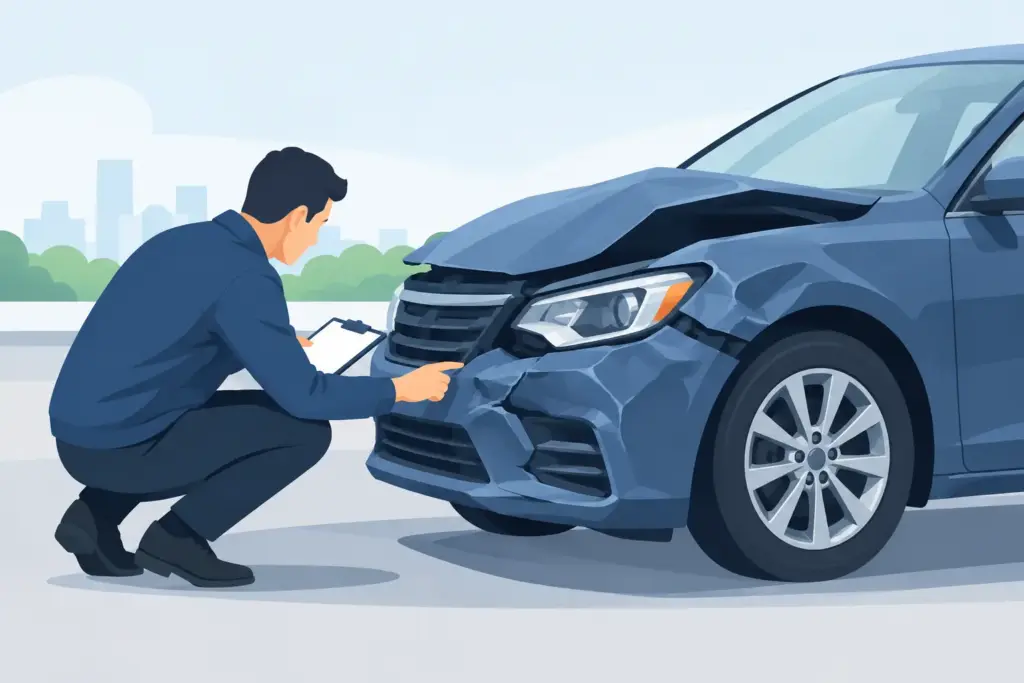
A hard hit can leave more behind than a cracked bumper or dented door. A proper structural damage assessment looks beneath the visible damage to determine whether your vehicle’s frame, unibody, mounting points, or suspension geometry has been affected. That answer matters because a vehicle can look mostly normal while still pulling on the road, wearing tires unevenly, or failing to protect occupants as designed in another collision.
For San Antonio drivers, the right next step after an accident is not guessing based on appearance. It is getting a clear inspection, an honest explanation of what was found, and a repair plan built around safety and long-term performance.
What Is a Structural Damage Assessment?
A structural damage assessment is the process of inspecting the parts of a vehicle that support its body, suspension, drivetrain, and crash-protection systems. On many modern vehicles, that means the unibody structure rather than a traditional full frame. Trucks and some SUVs may use body-on-frame construction, where the frame and body are separate components.
During an assessment, a collision repair professional checks for bent, shifted, crushed, cracked, or weakened structural areas. They compare key points on the vehicle to manufacturer specifications and look for damage that may have traveled beyond the point of impact.
This is different from a visual estimate for paint and body panels. A damaged fender is easy to see. A shifted suspension mounting point, crushed rail, or distorted inner structure may not be visible until panels are removed or the vehicle is measured. That is why an initial estimate can change once repairs begin. It is not automatically a sign of a problem with the estimate. It can mean the full extent of damage was hidden behind parts that had to be removed first.
Why Hidden Structural Damage Cannot Be Ignored
Vehicle structures are engineered to do specific jobs. Some areas are designed to absorb crash energy in a controlled way, while others are intended to remain strong enough to protect the passenger compartment. If those areas are not repaired correctly, the vehicle may not respond the same way in a future accident.
Structural damage can also affect everyday driving. Even a relatively low-speed impact can change alignment angles or place stress on steering and suspension components. A driver may notice the car drifting, a crooked steering wheel, vibration, road noise, or tires that wear much faster on one edge. Those symptoms deserve attention, but they do not tell the whole story on their own. Alignment issues can come from a bent wheel or worn suspension component as well, which is why careful diagnosis comes before recommending repairs.
There is also a financial reason to get the assessment right. Repairing only the visible panel damage may leave an underlying issue unresolved. That can lead to repeat alignment work, premature tire replacement, reduced resale confidence, or a more expensive repair later.
Signs You May Need a Structural Damage Assessment
Any significant collision deserves a professional inspection, especially if the impact involved another vehicle, a curb, a pole, a guardrail, or a deep pothole. The need is not always obvious from the outside.
Pay close attention if you notice several of these concerns after an impact:
- The vehicle pulls left or right, or the steering wheel is off-center while driving straight.
- Doors, the hood, trunk, or liftgate no longer open, close, or line up properly.
- Gaps between body panels look uneven, particularly around headlights, doors, and the hood.
- New vibration, clunking, tire noise, or uneven tire wear appears after the accident.
- The vehicle sits lower on one corner or looks visibly uneven from the front or rear.
A warning light can be another clue, particularly after a front-end collision. Modern vehicles rely on cameras, radar sensors, airbags, seat belt systems, and advanced driver-assistance features that may need inspection and calibration after repairs. A structural assessment does not replace electronic diagnostics, but the two often go together after a collision.
How the Assessment Process Works
A thorough inspection begins with listening to the driver. Details such as where the vehicle was hit, whether the wheels struck a curb, whether airbags deployed, and how the vehicle handled afterward can guide the inspection.
The repair team then performs a visual review of the exterior, underbody, wheels, suspension, and accessible inner panels. They look for paint cracking, distorted seams, buckled metal, damaged weld areas, fluid leaks, and evidence that a component has moved from its normal position.
Next comes measuring. Professional collision repair facilities use computerized measuring equipment and manufacturer-based reference points to determine whether critical areas are within specification. Depending on the vehicle and damage, technicians may also remove damaged panels, trim, or components to inspect concealed areas. This is often when supplemental damage is documented for the repair plan and insurance claim.
The assessment should lead to a repair decision, not just a list of problems. Some structural components can be repaired using approved pulling and measuring procedures. Others must be replaced because the metal has been crushed, torn, or compromised in a way that cannot be safely restored. The correct approach depends on the vehicle manufacturer’s repair procedures, the location of the damage, material type, and severity of the impact.
Repair, Replacement, or a Total Loss: It Depends
Drivers often ask whether structural damage means a vehicle is automatically totaled. No. Plenty of vehicles with structural damage can be repaired safely when proper procedures, parts, equipment, and measurements are used.
At the same time, repairability is not the only question. An insurer may declare a vehicle a total loss when the anticipated repair cost reaches a certain percentage of its actual cash value, based on the claim and applicable guidelines. Severe damage, airbag deployment, age, mileage, parts availability, and pre-existing condition can all influence that outcome.
A trustworthy shop should be straightforward about the trade-offs. If repair is appropriate, you deserve to know what will be repaired or replaced and why. If hidden damage changes the scope of work, you deserve timely updates instead of a surprise at pickup. The goal is not simply to make the vehicle look good from the driveway. It is to restore it according to a sound repair plan.
Insurance Claims and Structural Repairs
Structural damage assessments play a major role in collision insurance claims because they provide evidence for the work required. The first estimate may cover obvious damage, while a supplemental estimate addresses damage discovered during teardown or measurement. This is common in collision repair, especially when exterior panels hide inner structure, brackets, sensors, or suspension components.
Keep photos from the accident, your claim number, and any paperwork from towing or law enforcement available. If the vehicle is unsafe to drive, do not try to force it home for convenience. Pulling, rubbing tires, leaking fluids, loose parts, or steering changes are reasons to have it evaluated before returning to regular driving.
Working with a shop that understands claim documentation can reduce back-and-forth during the repair. RWORKS helps San Antonio drivers navigate the repair process with clear communication, insurance support, and a lifetime warranty on qualifying repairs, so customers can understand the work being done rather than being left to interpret claim paperwork alone.
Questions Worth Asking Before You Approve Repairs
You do not need to be a collision expert to make an informed decision. Ask whether the vehicle was measured against manufacturer specifications, whether there is hidden damage still being investigated, and whether any suspension or steering components need further inspection.
It is also reasonable to ask what repair procedures will be followed, whether safety systems require calibration, and how the shop will communicate if additional damage is found. A good repair team should answer in plain language. Technical details matter, but you should never feel pressured to approve work you do not understand.
Before pickup, ask about final alignment results, calibrations, warranty coverage, and any break-in or follow-up recommendations. If the vehicle had substantial front-end, side, or suspension damage, pay attention to how it drives in the days after repair and report anything that feels different.
The best time to address structural damage is before new paint makes the vehicle look finished. Give the inspection the attention it deserves, and you can move forward knowing the repair is focused on more than what is visible.