A fender gets damaged in a parking lot, an insurer writes an estimate, and one question comes up quickly: are aftermarket parts safe? For many San Antonio drivers, the concern is not just cost. It is whether their vehicle will look right, drive right, protect their family, and hold up over time.
The honest answer is that some aftermarket parts are safe and perform very well, while others are not the right choice for a particular repair. The part itself, where it is installed, how it fits, and the quality of the repair all matter. A reputable collision shop should be ready to explain those differences clearly before work begins.
What “Aftermarket” Actually Means
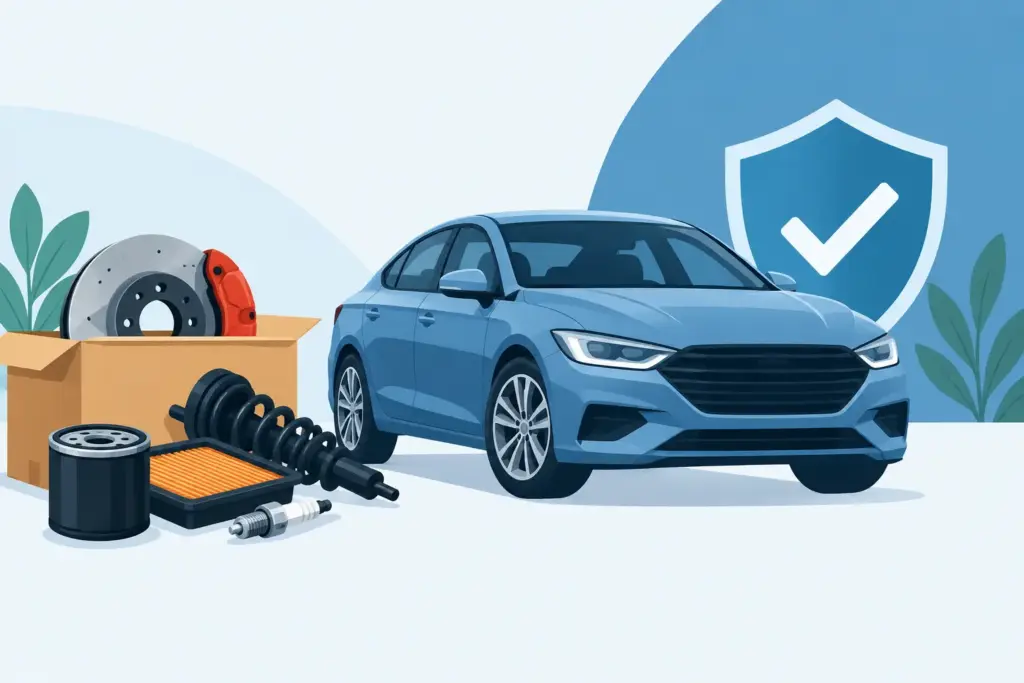
An aftermarket part is made by a company other than the vehicle’s original manufacturer. It is designed to replace a factory part, often at a lower cost. That does not automatically mean it is inferior. The aftermarket includes a wide range of manufacturers, from established suppliers that build high-quality replacement panels and mechanical components to lower-grade producers with inconsistent fit and finish.
Original Equipment Manufacturer, or OEM, parts are produced by or for the automaker and are intended to match the vehicle as it was built. They can be an excellent option, especially for newer vehicles, advanced safety systems, or repairs where exact fit is essential. They also usually cost more.
There is also a middle ground: recycled OEM parts. These are factory parts removed from another compatible vehicle. A clean recycled OEM door, wheel, or mechanical component may be a sensible choice when it is inspected carefully and meets the repair plan.
The right decision is not always “OEM good, aftermarket bad.” It is about using the correct part for the job and refusing to compromise where safety or proper operation is at stake.
Are Aftermarket Parts Safe After a Collision?
Quality aftermarket parts can be safe for many cosmetic and non-structural repairs. Items such as exterior trim, certain bumper covers, lamps, mirrors, hoods, fenders, and replacement panels may be suitable when they fit correctly and come from a reliable manufacturer.
But safety depends on more than the label on the box. A bumper cover that appears to fit can still create problems if its mounting points are off, its material is weak, or it interferes with sensors. A poorly formed fender can leave uneven gaps, rub against a door, or make paint preparation more difficult. Those issues affect appearance, but they can also lead to wind noise, water leaks, premature corrosion, and a repair that does not last.
For structural areas, restraint systems, steering, suspension, and safety technology, the stakes are higher. These repairs require parts that meet the vehicle manufacturer’s specifications and a technician who follows proper procedures. Airbags, seat belts, crash sensors, radar units, camera systems, and certain structural components are not places to cut corners.
A responsible shop will evaluate the damaged area, the vehicle’s age and condition, the available part options, and the manufacturer’s repair guidance. If an aftermarket option does not meet the needed standard, it should not be installed simply because it costs less.
When OEM Parts May Be the Better Choice
OEM parts are often preferred when a repair involves a vehicle’s safety systems, complex electronics, or a highly visible area where precise fit matters. This can include front-end repairs on vehicles with adaptive cruise control, lane-assist cameras, parking sensors, or automatic emergency braking.
Modern vehicles may have radar sensors behind the bumper, cameras near the windshield, and sensors mounted in mirrors or grille areas. After replacement, these systems may require calibration. Even a small change in a bracket, bumper shape, or mounting position can affect how a sensor reads the road. The repair plan must account for both the correct component and the required calibration.
OEM may also make sense for newer vehicles, luxury models, vehicles still under manufacturer warranty, and cases where an insurer or customer approves the added cost. In some situations, a factory part is the most predictable route to proper panel alignment, finish quality, and system compatibility.
That said, OEM is not automatically required for every repair. A high-quality aftermarket fender on an older daily driver may provide an excellent result when it fits well, is installed properly, and aligns with the customer’s budget. Good repair decisions are specific, not one-size-fits-all.
Fit, Finish, and Corrosion Protection Matter
A replacement part should not be judged only by whether it can be bolted onto the vehicle. Proper fit is a major part of repair quality. Technicians should test-fit panels before paint, check body lines and gaps, confirm that doors, hoods, and liftgates open correctly, and make sure lights and trim sit as intended.
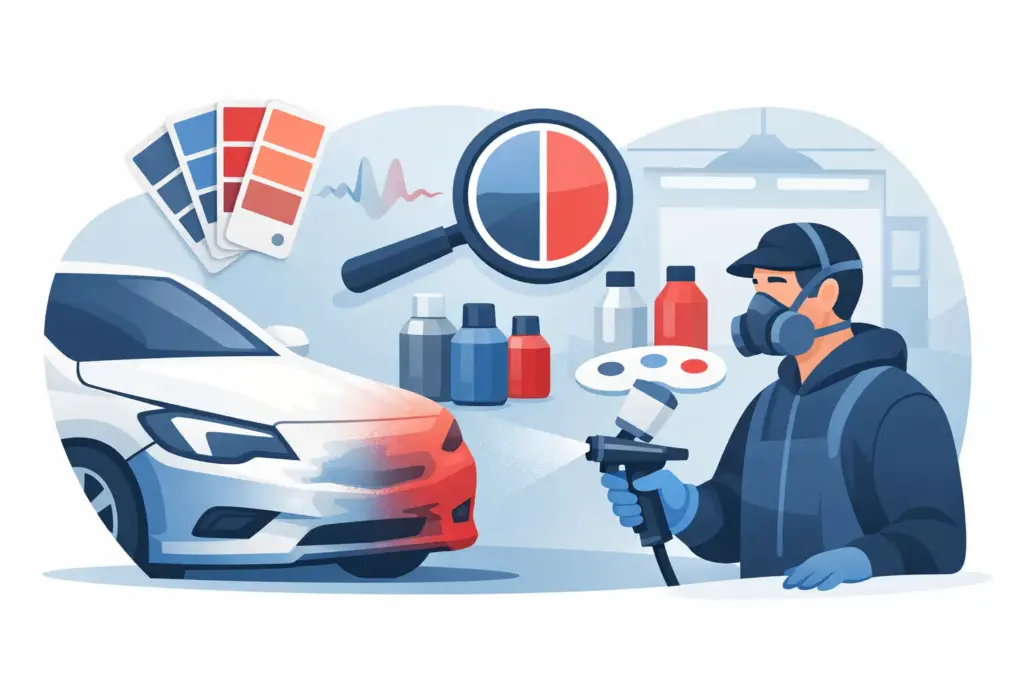
Paint preparation matters just as much in Texas heat. A panel needs the right surface preparation, primer, color match, and clear coat process to blend with the rest of the vehicle. If metal is exposed during repair, it must be protected against corrosion. Inadequate corrosion protection can turn an inexpensive repair into rust, peeling paint, or a repeat visit down the road.
The same principle applies to mechanical repairs. After suspension or steering work, proper alignment is not optional. A vehicle may pull, wear tires unevenly, or handle unpredictably if the repair is incomplete. The part and the workmanship must work together.
Questions to Ask Before Approving Parts
You do not need to be an auto body expert to make an informed choice. Ask your repair shop what type of part is being proposed and why it is appropriate for your vehicle. A clear answer should cover whether the part is OEM, aftermarket, or recycled OEM, along with any differences in cost, availability, warranty, and expected fit.
It is also reasonable to ask whether the repair affects airbags, sensors, cameras, alignment, or other safety systems. If it does, ask how those systems will be inspected and calibrated after the work is complete. A trustworthy shop will welcome the conversation instead of treating your questions as an inconvenience.
For an insurance claim, review the estimate carefully. Insurance policies and claim procedures often allow aftermarket or recycled parts, particularly on older vehicles. If you prefer OEM parts, tell the shop and your insurance representative early. You may have coverage that addresses OEM components, or you may choose to pay the difference in certain situations.
Keep in mind that part availability can affect repair time. Waiting for a specific OEM part may be worthwhile in some cases, while an approved high-quality replacement may get a safe repair completed sooner. The best choice balances safety, quality, timing, and cost without sacrificing the essentials.
How a Good Repair Shop Protects You
The safest outcome comes from a repair process, not a promise printed on a part box. A quality shop begins with a complete damage assessment, including hidden damage that may not be visible during the first estimate. It verifies part fit before refinishing, follows manufacturer repair procedures, performs needed wheel alignment and safety-system calibrations, and inspects the vehicle before delivery.
Communication matters, too. You should know if a part is delayed, if additional damage is found, or if the repair plan changes after teardown. Surprises are frustrating after an accident, but silence is worse. Clear updates give you the chance to understand your options and make decisions with confidence.
At RWORKS, we approach replacement parts with the same standard we bring to the entire repair: restore the vehicle correctly, communicate plainly, and stand behind the work. A lifetime warranty on qualifying repair work provides added peace of mind because repair quality should last beyond the day you pick up your keys.
Do Not Let Price Alone Decide the Repair
The lowest estimate is not always the best value. A cheaper part that needs extra modification, fits poorly, or causes issues with sensors can cost more in time and frustration than a better option selected from the start. On the other hand, paying for OEM parts across every minor repair is not always necessary or practical.
Ask for the reasoning behind the recommendation. If the shop can explain the part choice, the installation process, the safety checks, and the warranty in plain language, you are in a much stronger position to move forward.
After an accident, you deserve more than a vehicle that simply looks repaired in the driveway. Choose a repair plan that protects how it fits, drives, and responds when it matters most.