A rock strike on Loop 1604 can look minor when it first happens. Then a hot San Antonio afternoon, a cold blast from the A/C, or one rough pothole turns that small chip into a crack across your field of view. When drivers face windshield repair vs replacement, the right answer is not always the least expensive option. It is the option that restores clear visibility, protects the vehicle’s structure, and keeps its safety features working as intended.
A qualified glass professional should inspect the damage before making the call. The size, location, depth, type of break, and technology built into your vehicle all matter.
When Windshield Repair Is Usually the Better Choice
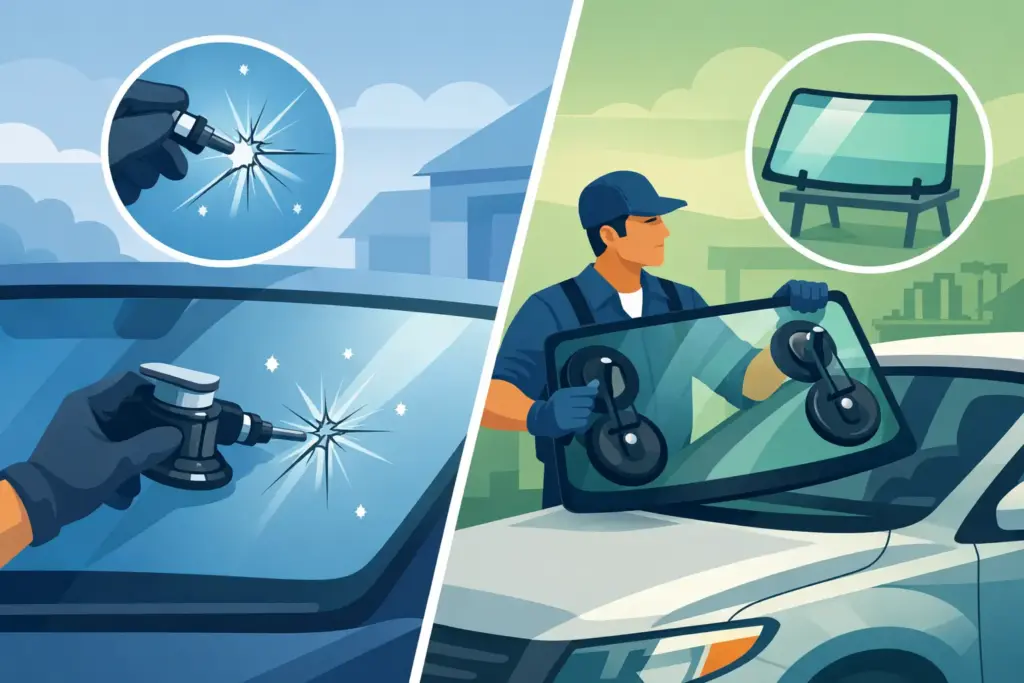
Repair is often the practical choice when damage is small, contained, and away from the driver’s direct line of sight. During a repair, a technician cleans the damaged area, injects a specialized resin, and cures it to stabilize the glass. The goal is to keep a chip or short crack from spreading and avoid replacing the entire windshield.
A repair may be possible when the chip is roughly the size of a quarter or smaller and the crack is relatively short. The damage also needs to be limited to the outer layer of laminated glass. Windshields are made from two layers of glass bonded around a plastic interlayer. If the impact has damaged both layers, repair may no longer provide the protection your vehicle needs.
Repair has real advantages. It is generally faster, costs less than a full replacement, and preserves the original factory-installed windshield. In many cases, the vehicle can be back on the road the same day. For a simple rock chip caught early, repairing it is often the most sensible way to prevent a larger problem.
That said, a successful repair does not make damage disappear completely. You may still see a faint mark or distortion where the chip occurred. The priority is restoring the windshield’s strength and stopping the crack from spreading, not making the glass look brand new.
Timing matters more than most drivers expect
A fresh chip is easier to repair than one that has collected dust, moisture, car-wash chemicals, and road debris. Covering a chip with clear tape until it can be inspected can help keep contaminants out. Avoid pressing on the damaged area, and do not use extreme heat or cold directly on the glass.
Waiting can turn a repairable chip into a replacement. Texas temperature swings, road vibration, and normal body flex while driving all put stress on damaged glass.
When Windshield Replacement Is the Safer Answer
Replacement is usually recommended when the crack is long, reaches the edge of the windshield, sits in the driver’s primary viewing area, or affects more than one layer of glass. Damage near the edge is especially concerning because that area helps support the windshield within the vehicle frame. A crack beginning at the edge can spread quickly and may weaken the glass under stress.
Replacement is also the better choice when there are multiple chips, a deep impact crater, or visible damage on the inside surface of the windshield. A technician may recommend replacement even for a smaller break if repairing it would leave unsafe distortion in a spot where you need a clear view of the road.
The windshield is more than a barrier against wind and rain. In a collision, it contributes to the roof’s structural support and helps the passenger-side airbag deploy in the correct direction. If the glass or its bond to the vehicle is compromised, those systems may not perform the way they were designed to.
A proper replacement involves more than setting new glass in place. The technician needs to remove the damaged windshield without harming the surrounding trim or pinch weld, prepare the mounting surface correctly, use the appropriate automotive urethane, and allow sufficient safe drive-away time. Quality materials and installation procedures matter because the adhesive bond is part of your vehicle’s safety system.
Windshield Repair vs Replacement on Vehicles With ADAS
Many newer vehicles have a camera, sensor, or radar equipment mounted near the windshield. These advanced driver-assistance systems, often called ADAS, can support features such as lane departure warnings, lane-keeping assistance, automatic emergency braking, adaptive cruise control, and forward-collision alerts.
If a windshield replacement involves removing or disturbing the camera area, the vehicle may require ADAS calibration afterward. Calibration helps confirm that the camera and related systems are reading the road accurately. It is not an optional add-on to skip just because the vehicle seems to drive normally after the glass is installed.
This is one reason replacement quotes can vary. A lower quote may not include the correct glass specification, molding, calibration, or necessary diagnostic checks. Ask what is included, whether calibration is required for your vehicle, and how the work will be documented.
Repair can sometimes avoid the need for recalibration, but it depends on the damage location and the vehicle. A chip directly in front of a camera may still create visual distortion that affects system performance. Clear communication with the shop matters more than a one-size-fits-all rule.
Cost, Insurance, and the Value of Doing It Right
Repair is usually less expensive than replacement, particularly when insurance coverage applies. Some comprehensive insurance policies may cover windshield repair with little or no out-of-pocket cost because it helps prevent a larger claim later. Replacement coverage often depends on your deductible, policy terms, and the type of glass your vehicle needs.
Before authorizing work, review your comprehensive coverage and ask the shop for a clear estimate. Find out whether the price includes the glass, labor, moldings or clips, adhesive, disposal, taxes, and any required ADAS calibration. If your vehicle was damaged in a collision or hailstorm, windshield work may also need to be considered alongside body repairs and insurance claim documentation.
The cheapest quote is not always the best value. Incorrect glass, poor adhesive preparation, rushed installation, or skipped calibration can create leaks, wind noise, warning lights, or safety concerns that cost more to correct later. A reputable provider should explain the recommendation in plain language and stand behind the workmanship.
How to Make the Right Call After Glass Damage
Start by looking at where the damage is, not just how large it appears. A small chip near the edge or directly in front of the driver can be more serious than a larger chip near the center of the passenger side. Take a photo, note whether the crack is growing, and schedule an inspection promptly.
If the damage happened during an accident, do not focus on the windshield alone. A collision that cracks glass may also affect the hood, roofline, fenders, alignment, suspension, or safety sensors. Having the whole vehicle evaluated helps prevent a visible issue from masking a larger repair need.
For San Antonio drivers, the best decision is usually the one that protects both safety and long-term value. Repair a small, suitable chip before the heat and road vibration turn it into a spreading crack. Replace glass when its location, depth, or condition makes repair a compromise. Clear vision is not a cosmetic detail when you are carrying family, commuting across town, or heading out on a Texas highway.