A rear-end impact can leave a bumper that looks like a simple cosmetic fix, but the damage often reaches farther than the eye can see. Proper rear collision restoration is about more than making the back of your vehicle look good again. It is about restoring the parts that protect you, preserving proper vehicle operation, and making sure hidden damage does not turn into a bigger problem later.
For San Antonio drivers, the right repair process starts with a complete inspection and clear communication. Whether another driver hit you at a stoplight, backed into your truck, or caused damage in a parking lot, you deserve to know what is being repaired, why it matters, and how long it will take.
What Rear Collision Restoration Should Address
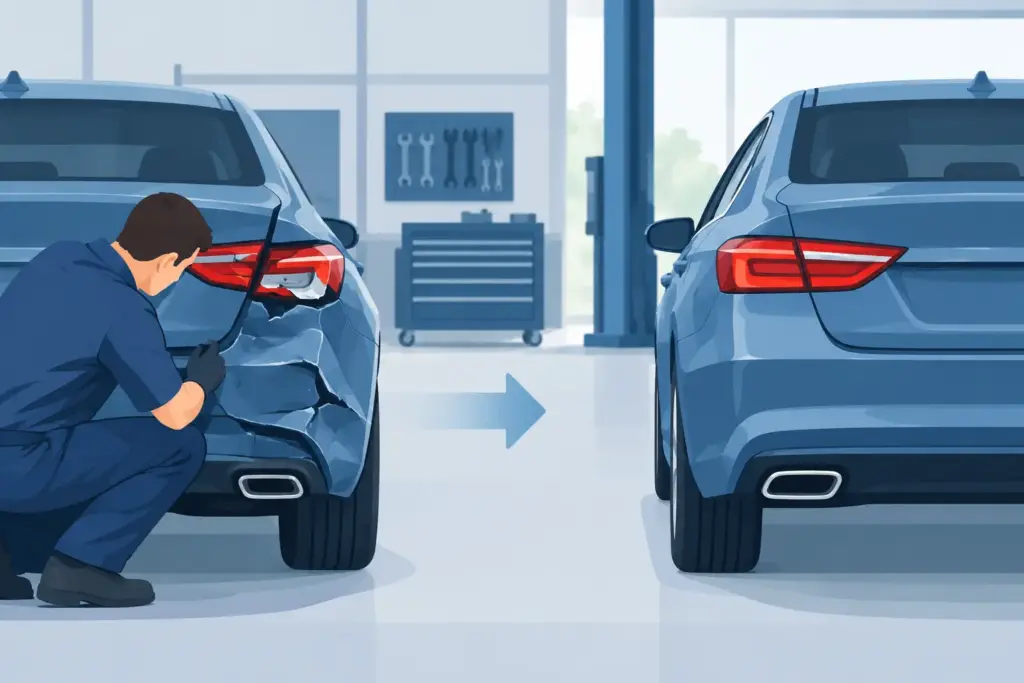
The rear bumper cover is designed to absorb and hide a certain amount of impact, which is why damage can look minor at first. Under that cover, however, your vehicle may have a bumper reinforcement bar, energy absorbers, mounting brackets, sensors, wiring, exhaust components, trunk floor panels, and structural sections that need attention.
A quality repair begins by identifying all affected areas, not just the cracked or dented panel. Depending on the vehicle and the force of the impact, restoration may include bumper repair or replacement, quarter panel repair, trunk lid alignment, tail light replacement, paint matching, and refinishing. On newer vehicles, it may also involve inspecting and recalibrating parking sensors, backup cameras, blind-spot monitoring, or rear cross-traffic alert systems.
The right scope of repair depends on the collision. A low-speed impact may only require minor body repair and paintwork. A harder hit can shift panels, damage the rear body structure, affect suspension geometry, or create trunk and weather-seal issues. That is why an estimate based only on a quick visual inspection can change after the vehicle is disassembled. Hidden damage is not a surprise tactic – it is often impossible to confirm until the damaged exterior components are removed.
Why a Straight Bumper Is Not Always Enough
A vehicle can look normal from a few feet away and still have damage that affects safety, drivability, or long-term value. If a trunk no longer latches smoothly, a tail light has moisture inside it, or the bumper has uneven gaps around the body panels, those are signs the impact may have affected more than the finish.
Rear impacts can also transfer force through the vehicle. On some cars and trucks, that can affect wheel alignment, suspension components, or the exhaust system. You may notice the vehicle pulling to one side, a steering wheel that is no longer centered, unusual tire wear, rattling underneath the vehicle, or a vibration that was not there before the accident.
These issues do not always happen, and they are not always serious. Still, they are worth inspecting before you accept a repair as complete. Addressing them early can prevent repeat visits, uneven tire wear, and avoidable repair costs later.
Paint Matching Matters More Than Most Drivers Expect
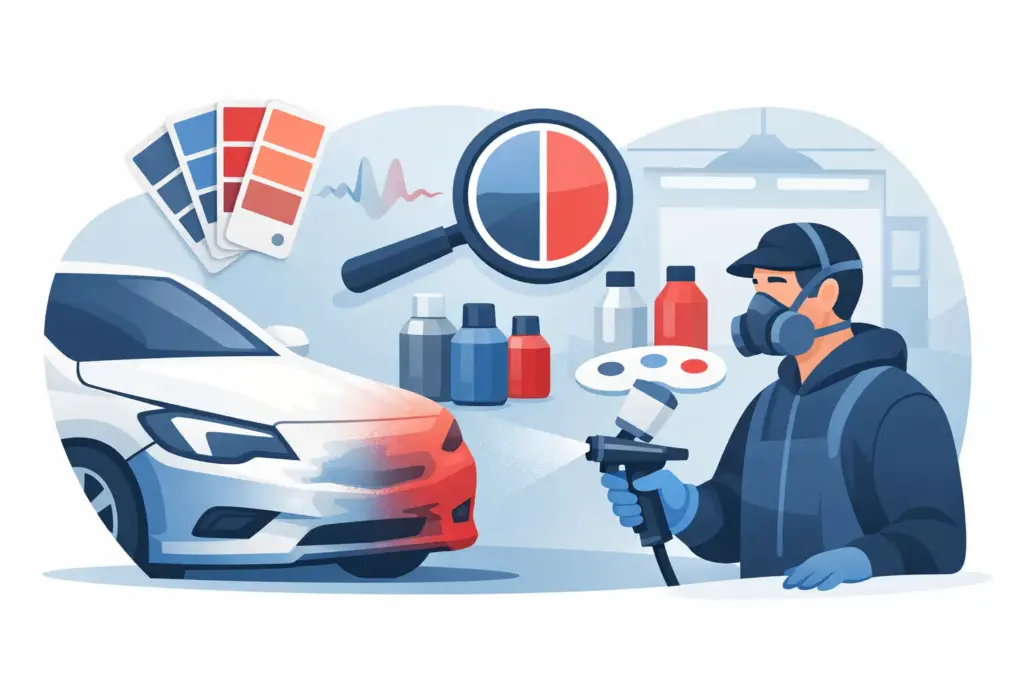
A repaired bumper should not look like a replacement bumper. Paint color can vary based on age, sun exposure, factory finish, and the angle of the vehicle’s body panels. A careful paint process accounts for those differences so the repaired area blends naturally with the surrounding panels.
This may require blending color into adjacent panels rather than painting only the damaged part. While that can add time or cost, it often produces a better visual result, especially on metallic, pearl, and darker colors. A shop should explain the recommendation clearly so you understand the reason behind the repair plan.
The Insurance Claim Process After a Rear-End Accident
After an accident, most drivers want two things: their vehicle repaired correctly and the claim handled without constant back-and-forth. If another driver caused the collision, their insurance may be responsible. If you are using your own collision coverage, your insurer may manage the claim and seek reimbursement later.
You have the right to choose the repair shop that works on your vehicle. An insurance company may recommend shops, but the final decision is yours. A trusted local collision center can help document damage, provide a detailed estimate, communicate with the insurer, and submit supplements if additional damage is discovered during repairs.
Supplements are common in collision repair. They are simply requests for insurance approval when disassembly reveals damage that was not visible during the original estimate. The key is communication. You should receive clear updates if new damage is found, if parts availability changes the schedule, or if the insurer needs more information before authorizing work.
Keep your claim number, adjuster contact information, photos from the accident, and any police report available. These details help move the process along. If you are paying out of pocket, ask for an estimate that separates necessary safety-related repairs from optional cosmetic work when possible. That helps you make a practical decision without guessing.
What a Reliable Repair Timeline Looks Like
No honest shop should promise an exact completion date before it has inspected the damage, confirmed repair procedures, received approval, and checked parts availability. Rear collision restoration can move quickly when damage is limited and parts are readily available. It can take longer when structural repair, sensor calibration, specialty parts, or insurance supplements are involved.
The best experience is not always the shortest estimate. It is the repair process that keeps you informed at each meaningful stage: inspection, authorization, parts ordering, body repair, paint, reassembly, quality control, and final delivery.
At RWORKS, clear turnaround communication is part of helping customers feel confident while their vehicle is in the shop. A repair should never leave you wondering whether work has started, what is holding it up, or what happens next.
Questions to Ask Before Approving Rear Collision Repair
Before authorizing repairs, ask how the shop will inspect for hidden damage and whether it follows manufacturer repair procedures for your specific vehicle. You should also ask whether safety systems will be checked or recalibrated when needed, how paint matching and blending will be handled, and what warranty applies to the work.
A lifetime warranty on workmanship can provide meaningful peace of mind, but it should be paired with straightforward answers and careful documentation. Review the estimate with the repair team. If a line item is unclear, ask. A good shop will explain it in plain language rather than expecting you to understand collision terminology.
It is also reasonable to ask about rental transportation, rides home, payment options, and expected updates. Repair quality matters most, but convenience matters too when you are managing work, school, family schedules, or daily errands without your vehicle.
Protecting Your Vehicle After Repairs
When you pick up your vehicle, take a few minutes to look at the repaired area in good lighting. Check that the trunk opens and closes properly, bumper and panel gaps look even, lights work, and there are no warning messages on the dashboard. If your vehicle has parking sensors or a backup camera, test them before leaving.
For the next several days, pay attention to how the vehicle drives. If you notice pulling, vibration, water entering the trunk, a loose panel, or a warning light, contact the shop promptly. Reputable repair facilities want the opportunity to inspect concerns and stand behind their work.
A rear-end accident is disruptive enough without having to question the repair afterward. Choose a shop that looks beyond the visible dent, communicates honestly with you and your insurer, and treats the finished vehicle as a safety commitment, not just a paint job. That careful approach is what helps you get back on San Antonio roads with confidence.