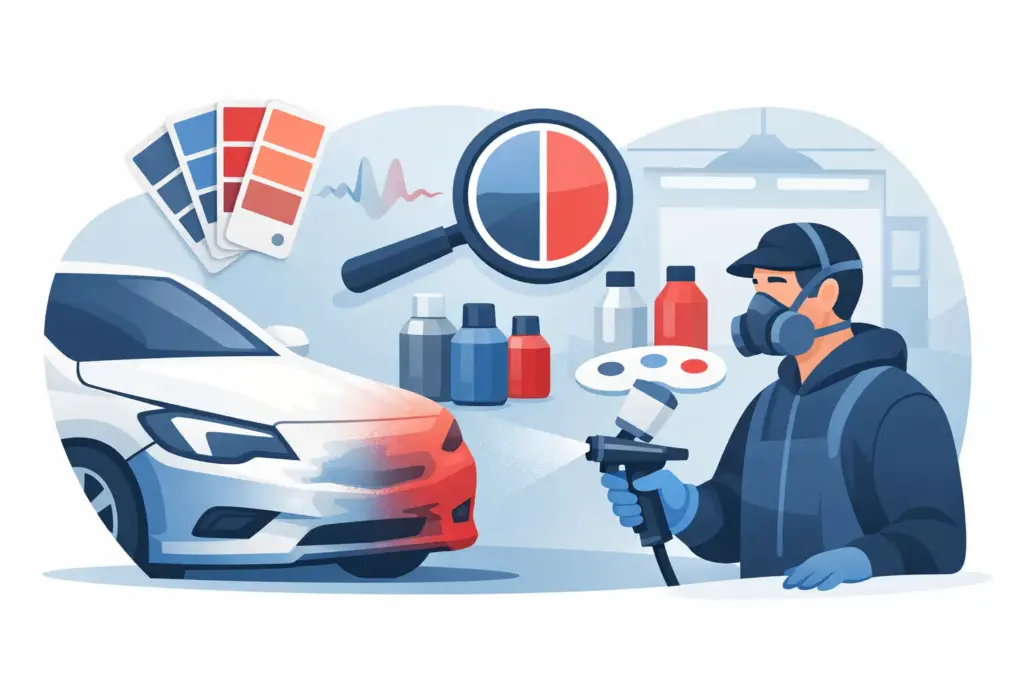
A bumper can look straight, a windshield can be new, and the paint can match perfectly, yet the vehicle may still need one critical step before it is truly ready for the road. The ADAS calibration future is changing what complete collision repair means, because the cameras and sensors behind many safety features must be checked and reset with the same care as the visible damage.
For San Antonio drivers, this is more than a technical detail on a repair estimate. Advanced driver assistance systems can help with braking, lane guidance, blind-spot alerts, parking, and more. When a collision, windshield replacement, suspension repair, or wheel alignment affects the components these systems rely on, proper calibration can help make sure they work as intended.
Why ADAS Calibration Matters After Repair
ADAS stands for advanced driver assistance systems. Depending on the vehicle, those systems may use forward-facing cameras, radar sensors, ultrasonic sensors, and steering-angle sensors to monitor what is happening around the vehicle. Features such as automatic emergency braking, adaptive cruise control, lane-departure warnings, lane-keep assist, rear cross-traffic alerts, and parking assistance depend on accurate information.
A sensor does not have to look damaged to be out of position. A minor impact can shift a bumper bracket, alter a mounting point, affect an alignment angle, or damage wiring behind a panel. Replacing a windshield may change the position of a camera mounted near the rearview mirror. Even a ride-height change caused by suspension damage can affect how a camera or radar sees the road.
That is why a repair process cannot stop at making a vehicle look repaired. The goal is to return it to pre-accident condition as closely as possible, including the systems designed to assist the driver. ADAS is still an assistance technology, not a replacement for an attentive driver, but it needs accurate inputs to provide meaningful assistance.
The ADAS Calibration Future Is More Vehicle-Specific
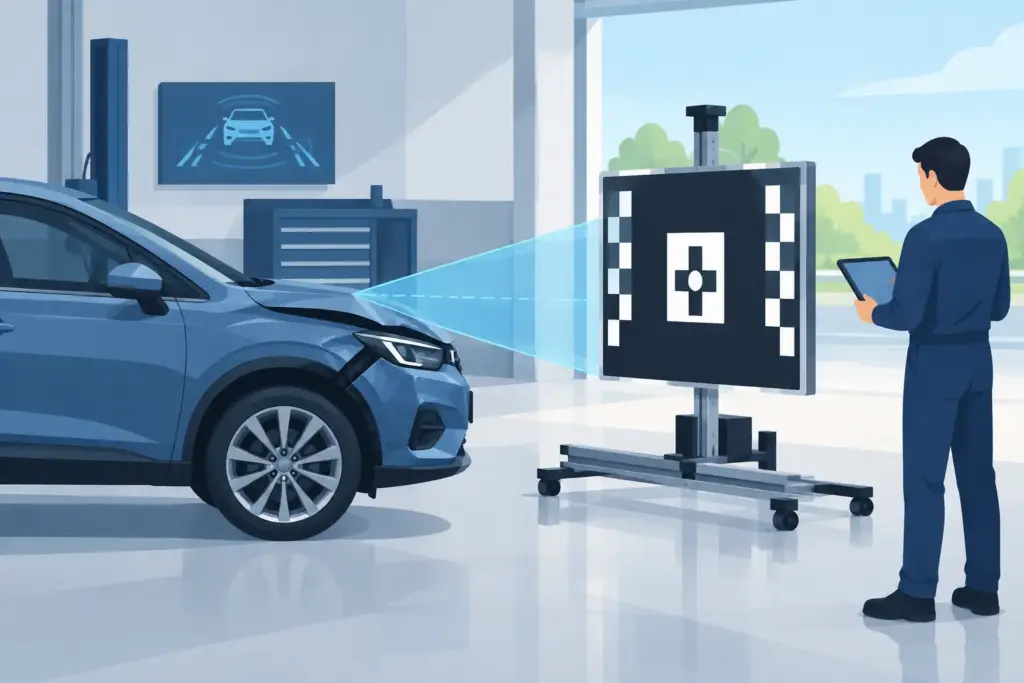
Early safety systems were relatively simple. Modern vehicles are not. Two similar-looking SUVs can have very different sensor locations, calibration requirements, and manufacturer procedures. A camera calibration on one model may require a specific target placed at a precise distance. Another vehicle may need a road test performed under particular conditions. Some repairs require both methods.
More Parts Can Trigger Calibration Needs
In the past, customers often associated sensor work with major front-end damage. The ADAS calibration future is broader than that. A repair plan may call for an inspection or calibration after windshield replacement, front or rear bumper repair, grille replacement, mirror replacement, wheel alignment, steering or suspension work, battery disconnection, or fault-code diagnosis.
This does not mean every repair automatically requires calibration. The correct answer depends on the vehicle, the damage, the components repaired, and the manufacturer’s procedures. A responsible repair facility checks rather than assumes.
Repair Documentation Will Carry More Weight
As vehicle technology becomes more sophisticated, documentation becomes part of quality control. A proper process may include scanning for diagnostic trouble codes before repairs begin, identifying manufacturer-required operations, completing calibration when necessary, and confirming the results afterward.
For customers, this paperwork provides useful reassurance. It shows that the shop considered more than paint and panels. It also gives insurers, future buyers, and vehicle owners a clearer record of what was completed following an accident.
Insurance Estimates May Need More Review
Insurance companies often prepare initial estimates based on visible damage. However, calibration needs are not always known until the vehicle is disassembled, scanned, or evaluated against manufacturer repair information. Supplements can be necessary when additional damage or required procedures are identified.
That can feel frustrating when you want your vehicle back quickly. Clear communication matters here. The better approach is to explain what was found, why it affects the repair, and what steps are needed to complete the job correctly. A faster repair is only a better repair if it does not skip essential work.
Static and Dynamic Calibration: What Is the Difference?
Most customers do not need to memorize calibration methods, but understanding the basics helps explain why timing and conditions matter.
Static calibration is performed in a controlled shop setting. Technicians use specialized equipment and targets positioned at exact measurements around the vehicle. The floor must be level, the tires properly inflated, the vehicle ride height correct, and the surrounding work area suitable for the process. Small setup errors can matter.
Dynamic calibration is completed while the vehicle is driven under specified conditions. Depending on the manufacturer, the vehicle may need clear lane markings, a certain speed range, daylight, and a road environment that lets the system learn or confirm its reference points. San Antonio traffic, weather, road construction, and the availability of safe driving conditions can affect how quickly this can be completed.
Some vehicles require static calibration, some dynamic calibration, and some require both. The right method is not based on shop preference. It is based on the vehicle manufacturer’s procedure.
What Drivers Should Expect From a Thorough Repair Process
If your vehicle has ADAS features, it is reasonable to ask whether the collision or repair could affect cameras, sensors, alignment, or safety-system operation. You do not need to diagnose the issue yourself. You simply need a repair partner willing to look beyond the obvious damage.
A quality process usually begins with an inspection and diagnostic scan, followed by a repair plan that addresses structural, mechanical, cosmetic, and electronic concerns. If an alignment is needed, it should be completed before calibrations that depend on proper wheel and steering geometry. If a replacement part affects a sensor’s view or mounting position, calibration may follow that work.
Afterward, you should receive clear information about what was repaired and whether calibration or system verification was performed. Be cautious if a warning light remains on, a dashboard message appears after repair, or a driver-assistance feature behaves differently than before. Those are reasons to contact the repair facility promptly rather than hoping the issue resolves on its own.
The Human Side of High-Tech Repairs
More technology does not reduce the value of skilled judgment. It increases it. Calibration equipment is essential, but technicians still need to recognize hidden damage, follow procedures closely, verify measurements, and know when a vehicle needs further diagnosis.
This is especially true after collisions that involve suspension, steering, or structural damage. A vehicle can drive reasonably well while still having an alignment issue that affects tire wear, steering feel, or sensor performance. Likewise, an aftermarket part may fit physically but not meet the specifications needed for a camera or radar system to operate correctly.
At RWORKS, the focus is on helping drivers understand the repair process without burying them in unnecessary jargon. That means discussing the work that affects safety, communicating when additional repairs are discovered, and handling the details with the same care given to the finish of the vehicle.
Preparing for What Comes Next
The ADAS calibration future will bring more sensors, more software, and more repair procedures that are specific to each make and model. Electric vehicles, trucks, family SUVs, and luxury vehicles are all moving toward greater use of driver-assistance technology. As that happens, collision repair will increasingly combine bodywork, mechanical repair, diagnostics, wheel alignment, and calibration planning.
For vehicle owners, the practical takeaway is simple: choose a repair shop based on more than how quickly it can replace a damaged panel. Ask how it identifies hidden damage, whether it follows manufacturer procedures, how it handles insurance supplements, and how it keeps you updated. A trustworthy answer should be clear, not evasive.
After an accident, you already have enough decisions to make. Work with a team that treats the safety systems behind your vehicle’s finished exterior as part of the repair, not an afterthought.