How To Fix a Gouge in Car Paint
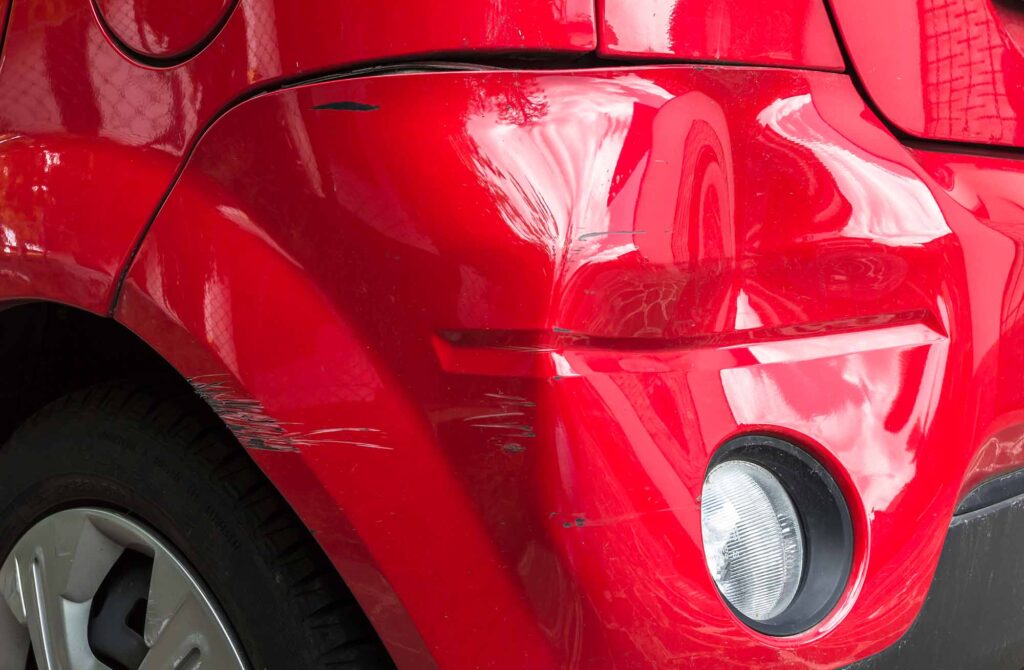
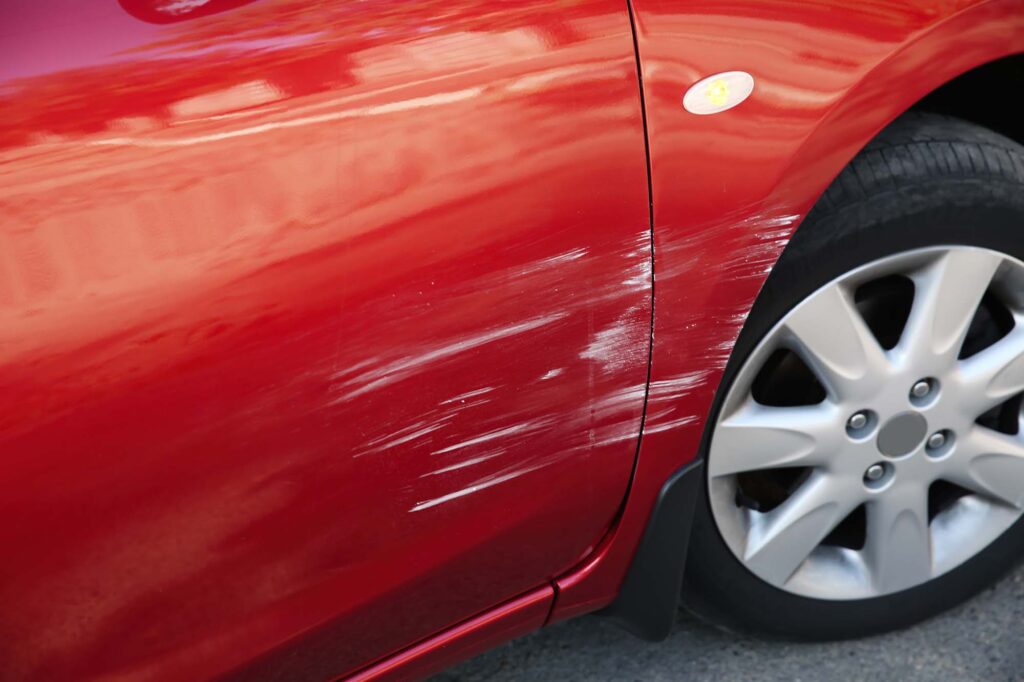
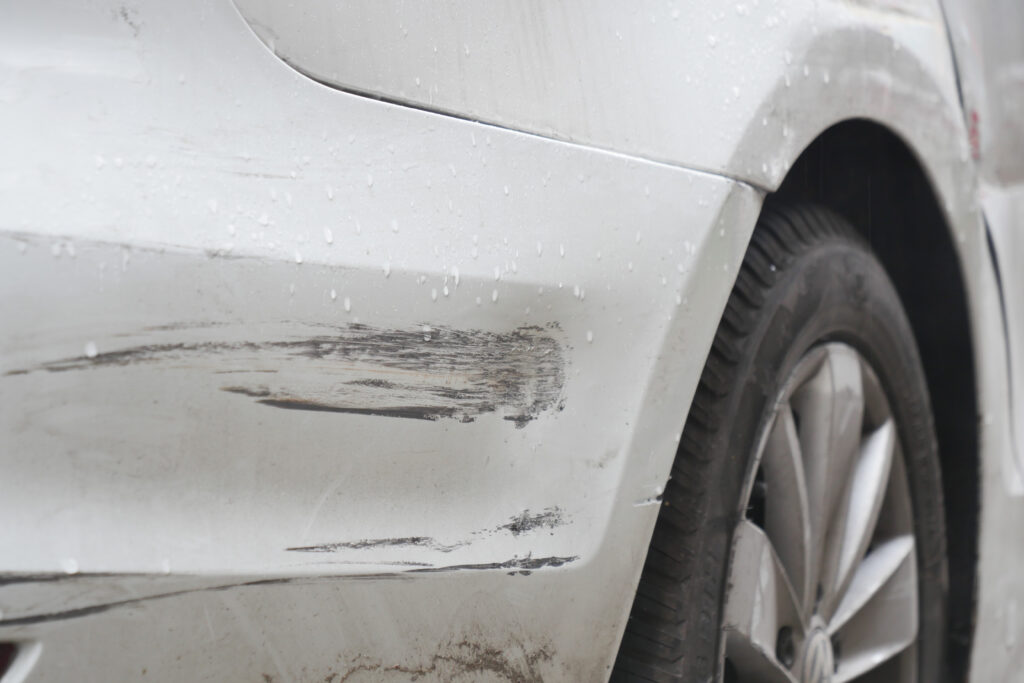
A gouge in your car’s paint is more than an annoying cosmetic blemish. Unlike a light surface scratch, a gouge can cut through the clear coat and color coat and sometimes expose the primer, metal, or plastic underneath.
If you’re wondering how to fix a gouge in car paint, the correct repair depends primarily on how deep the damage goes.
Some shallow marks can be improved with polishing or touch-up paint. Deep gouges usually require sanding, surface preparation, primer, professionally matched automotive paint, clear coat, and finishing to restore the panel properly.
At R Works in San Antonio, TX, we repair scratches, gouges, chipped paint, damaged bumpers, collision damage, and other automotive paint problems. Here’s how to determine what kind of repair your vehicle needs.
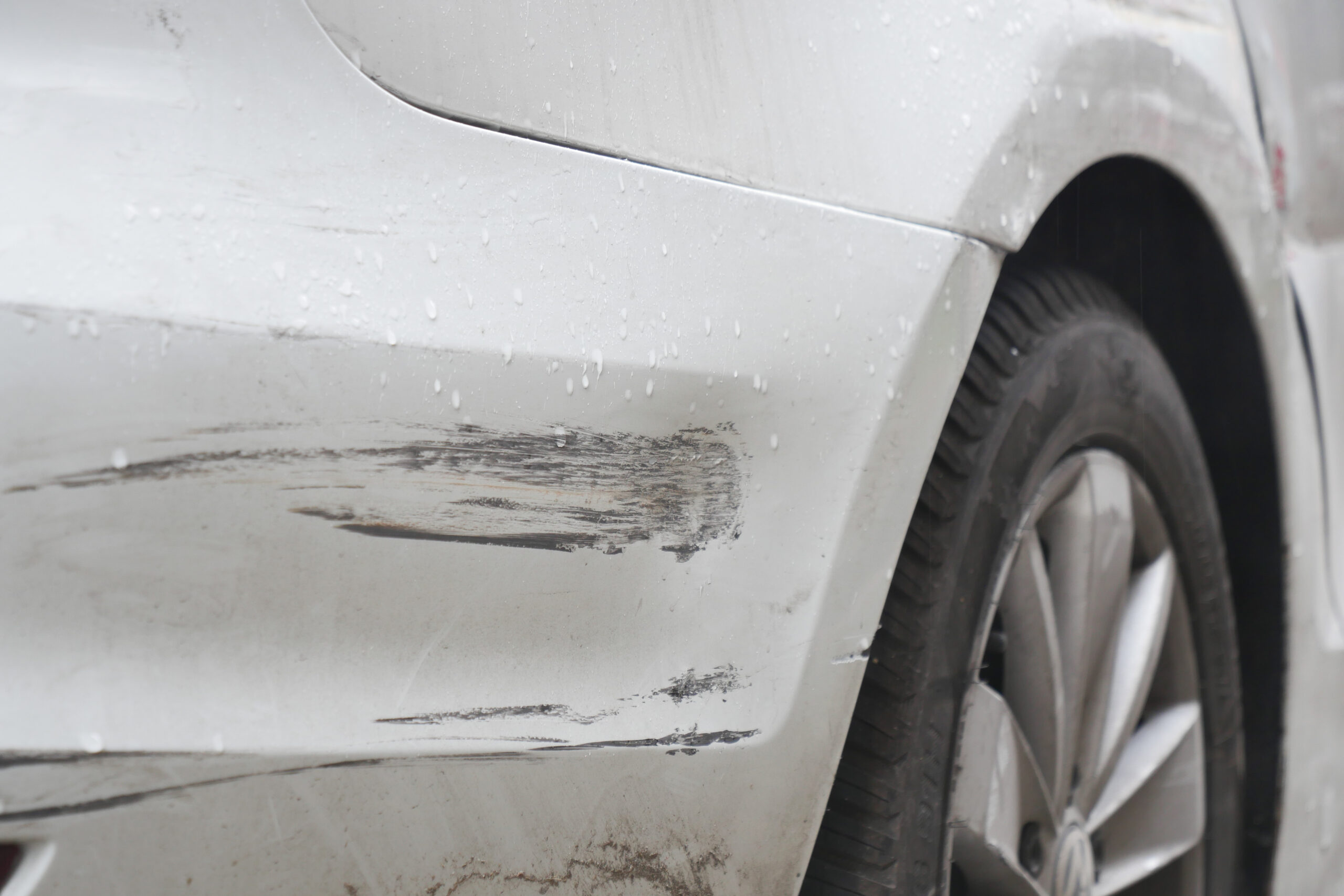
What Is a Gouge in Car Paint?
A paint gouge is a deeper form of paint damage where something physically cuts into the vehicle’s finish.
Common causes include:
- Shopping carts
- Car doors
- Road debris
- Tree branches
- Keys or sharp objects
- Parking lot accidents
- Scraping against walls, posts, or curbs
- Minor vehicle collisions
- Damage to painted bumper covers
Modern automotive finishes typically contain several layers. Depending on the vehicle, these can include the body material, primer, basecoat or color coat, and clear coat.
A shallow scratch may only affect the clear coat. A gouge can penetrate several of these layers.
That difference matters because you cannot simply polish away paint that is no longer there.
How Do You Know How Deep the Gouge Is?
Before attempting to repair a gouge, inspect the damaged area carefully.
Clear-Coat Scratch
If the damage is extremely light and only affects the clear coat, polishing or compounding may significantly reduce or eliminate its appearance.
3M offers automotive scratch-removal products specifically designed for light defects in the clear coat. However, 3M also notes that deeper scratches that penetrate beyond the clear coat may require repainting.
Learn more about automotive scratch removal from 3M
Paint-Level Scratch
If the scratch has cut through the clear coat and into the color coat, polishing alone usually will not repair it.
You may notice a different color inside the scratch or a clearly visible groove in the finish.
Primer-Level Gouge
A deeper gouge may expose the primer underneath the paint.
At this point, the damaged area generally needs to be prepared, filled if necessary, primed, painted, and clear coated.
Bare Metal or Plastic
If you can see bare metal or plastic underneath the damaged paint, the gouge has penetrated through the vehicle’s finish.
Exposed metal should not be ignored. Once the protective paint system has been compromised, moisture can reach the panel and potentially contribute to corrosion.
Deep damage like this is usually better handled through professional auto painting and refinishing.
How To Fix a Gouge in Car Paint
The general repair process depends on the depth and size of the gouge.
1. Clean the Damaged Area
Before doing anything else, thoroughly clean the area.
Dirt, wax, grease, road film, and other contaminants can interfere with paint adhesion and make it difficult to see the actual extent of the damage.
Wash and dry the panel before evaluating it.
2. Determine Whether It Can Be Polished
If the defect appears superficial, you may be dealing with a clear-coat scratch rather than a true gouge.
One commonly used test is to gently run your fingernail across the scratch.
If your fingernail barely catches — or does not catch at all — the damage may be confined primarily to the outer finish.
If your fingernail noticeably catches in the groove, it is more likely that the damage extends beyond the clear coat.
If you are dealing with a lighter scratch, read our guide on how to remove scratches from car paint.
3. Sand and Feather the Damaged Area
Deep paint damage normally requires the edges surrounding the gouge to be carefully prepared.
This may involve sanding the damaged area so there are no loose or sharply raised edges surrounding the missing paint.
Professional refinishing uses progressively controlled abrasives rather than aggressively sanding the panel.
3M’s automotive refinishing procedures, for example, use sanding, surface preparation, compounding, and polishing at different stages of the repair process.
See 3M’s automotive paint finishing process
This is one area where DIY repairs can go wrong quickly. Sanding too aggressively can turn a small damaged area into a much larger refinishing job.
4. Repair the Surface If Necessary
Some gouges affect more than just the paint.
A deep scrape may leave an indentation in a metal panel or remove material from a plastic bumper.
In those cases, simply applying paint into the damaged area will not restore the surface.
The panel may first require:
- Sanding
- Filling
- Plastic repair
- Dent repair
- Surface leveling
- Primer
R Works offers minor auto body repair in San Antonio for scratches, paint damage, gouged bumpers, dents, loose exterior components, and similar damage.
5. Apply Primer When Required
If the gouge has reached the underlying panel, primer may be necessary before applying the color coat.
Primer helps create an appropriate surface for subsequent paint layers and can also help protect the underlying panel.
Simply placing touch-up paint directly into a deep gouge may improve its appearance temporarily, but it may not provide the same quality of repair as properly preparing and refinishing the damaged area.
6. Match the Vehicle’s Paint
This is often the most difficult part of repairing a car paint gouge.
You might assume that ordering paint using your vehicle’s factory paint code guarantees a perfect match.
Unfortunately, automotive color matching can be more complicated.
The existing finish can change slightly due to:
- Age
- Sun exposure
- Previous paintwork
- Environmental exposure
- Paint formulation variations
- Metallic or pearl orientation
Professional automotive refinishing may therefore require adjusting the color and blending the repair into the surrounding finish.
At R Works, our automotive painting service includes surface preparation, professional color matching, painting, clear coating, and finishing.
7. Apply the Basecoat
Once the damaged area has been prepared and primed when necessary, the matching color coat can be applied.
For extremely small chips or scratches, touch-up paint may provide an acceptable cosmetic improvement.
A larger gouge is different.
Simply filling a large groove with touch-up paint can leave a noticeable indentation, uneven color, raised paint edges, or an obvious repaired spot.
Larger damaged areas often require refinishing rather than simply filling the scratch.
8. Apply Clear Coat
The basecoat provides the vehicle’s color, but the clear coat provides gloss and important protection for the finish.
After the color coat has been properly applied, the repaired area may require clear coat.
Achieving the correct thickness, texture, and transition between the repaired section and existing finish is one of the reasons professional automotive paint repairs generally look better than DIY touch-up jobs.
9. Finish and Polish the Repair
After the paint and clear coat have properly cured, additional finishing may be necessary.
Depending on the repair, this can include:
- Fine sanding
- Compounding
- Polishing
- Removing surface imperfections
- Restoring gloss
- Blending the appearance of the repaired section
The goal is to make the repaired area transition as naturally as possible into the surrounding factory finish.
Can You Fix a Deep Car Paint Gouge Yourself?
Technically, some paint gouges can be repaired at home.
The better question is whether the finished repair will meet your expectations.
DIY repair may make sense for:
- Very small chips
- Older vehicles
- Minor cosmetic damage
- Areas that are not highly visible
- Temporary paint protection
Professional repair is usually worth considering when:
- Bare metal is exposed
- The gouge is wide or long
- The damage is on a highly visible panel
- The paint is metallic or pearl
- The bumper is physically damaged
- There is a dent beneath the scratch
- You want the repair to blend with the existing finish
- The vehicle is newer or valuable
- The damage resulted from a collision
A poorly executed DIY repair can sometimes make a damaged area more noticeable rather than less noticeable.
Can You Just Use Touch-Up Paint on a Gouge?
For a small chip, touch-up paint can be useful.
For a significant gouge, it may not be enough.
Touch-up paint primarily replaces missing color. It does not necessarily correct an uneven surface, damaged primer, dented metal, gouged plastic, or a large area of missing clear coat.
If the gouge is deep enough to feel easily with your fingernail, it is worth having the damage inspected before deciding how to repair it.
Can a Paint Gouge Cause Rust?
If a gouge exposes bare steel, corrosion can eventually become a concern.
Automotive paint isn’t just cosmetic. The layers covering the body panel also help protect the material underneath.
Once those layers have been penetrated, the exposed area can become vulnerable to moisture and environmental contaminants.
For that reason, deep paint damage should not be ignored indefinitely.
Does the Entire Car Panel Need to Be Painted?
Not necessarily.
The appropriate repair depends on:
- Location of the gouge
- Depth of the damage
- Size of the repair
- Paint color
- Type of finish
- Condition of the surrounding paint
- Shape of the panel
In some cases, localized refinishing and blending may be possible. In others, refinishing a larger portion of the panel may produce a more consistent result.
An experienced auto body technician can inspect the damage and determine the best approach.
What If the Gouge Is on a Bumper?
Painted bumper covers frequently develop deep scrapes and gouges from parking accidents, curbs, posts, walls, and low-speed impacts.
Because most modern bumper covers are made from flexible plastic materials, bumper damage sometimes requires additional preparation or repair before painting.
R Works provides bumper and minor auto body repair for damage including:
- Paint scrapes
- Gouges
- Scuffs
- Scratches
- Minor dents
- Cracks
- Misaligned bumper covers
If the bumper was struck rather than simply scratched, it is also a good idea to check for damaged mounting hardware, brackets, sensors, or components behind the bumper.
Professional Car Paint Gouge Repair in San Antonio, TX
A tiny surface scratch and a deep paint gouge may look similar from several feet away, but they can require completely different repair methods.
If the damage goes through the clear coat and color layer, polishing alone won’t restore the missing paint.
R Works provides professional auto paint repair, automotive refinishing, minor auto body repair, bumper repair, and collision repair in San Antonio, TX.
Our team can inspect the damaged area and determine whether the gouge can be corrected with a localized repair or requires additional bodywork and refinishing.
If your vehicle has scratches, gouges, dents, bumper damage, or collision-related paint damage, contact R Works to request an estimate.
Frequently Asked Questions
How do you fix a deep gouge in car paint?
A deep gouge typically requires cleaning and preparing the damaged area, sanding or leveling the edges, repairing the surface if necessary, applying primer, matching and applying the vehicle’s paint, applying clear coat, and finishing or polishing the repaired area.
Can a deep scratch in car paint be buffed out?
Usually not. Buffing and polishing are primarily useful for defects within the clear coat. If the scratch penetrates the color coat or exposes primer, metal, or plastic, additional paint repair is generally necessary.
How can I tell if a car scratch is too deep to buff?
If your fingernail catches noticeably in the scratch, you can see another color underneath the finish, or you can see primer, metal, or plastic, the scratch likely extends beyond the clear coat.
Can I put touch-up paint over a deep scratch?
Touch-up paint may improve a small damaged area, but deeper gouges may require sanding, primer, surface repair, clear coat, and blending to achieve a more professional result.
Should I repair a car paint gouge immediately?
If the gouge exposes bare metal, repairing it sooner can help prevent the exposed surface from being subjected to moisture and contaminants. Even when no metal is visible, repairing the damage can prevent it from becoming a larger cosmetic problem.
Where can I get a car paint gouge repaired in San Antonio?
R Works provides automotive painting, minor auto body repair, bumper repair, and collision repair at its San Antonio repair facility. Contact R Works to have the damage inspected and receive a repair estimate.