How to Fix Bumper Dent: DIY Methods, Repair Options, and When to Call a Professional
If you’re wondering how to fix bumper dent damage, the right repair method depends on several factors, including the bumper material, the size and depth of the dent, whether the paint is damaged, and whether anything underneath the bumper was affected.
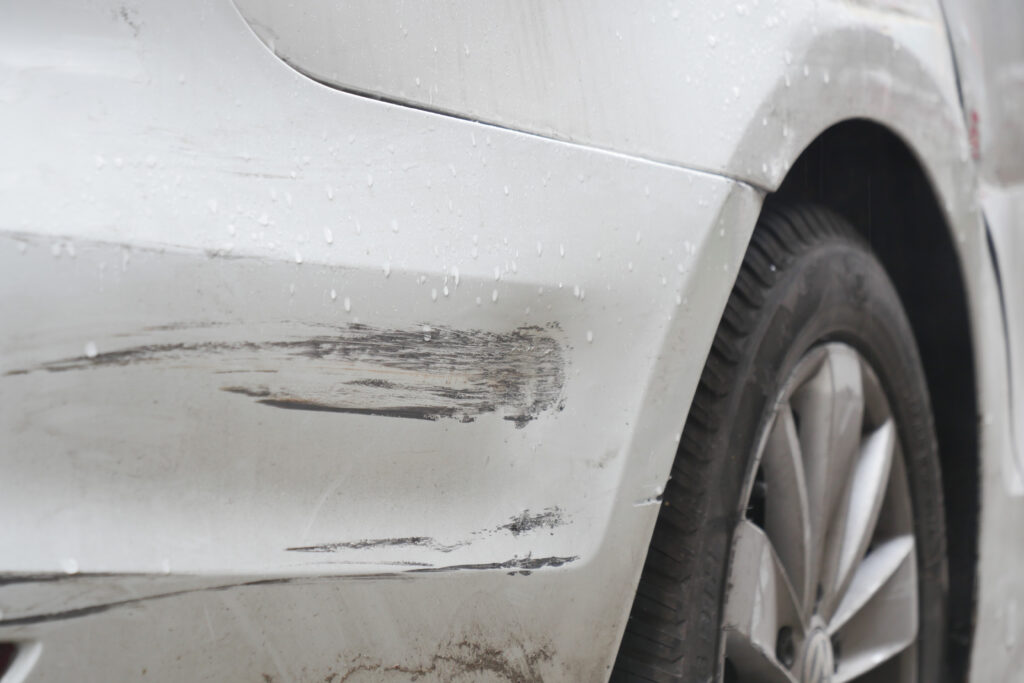
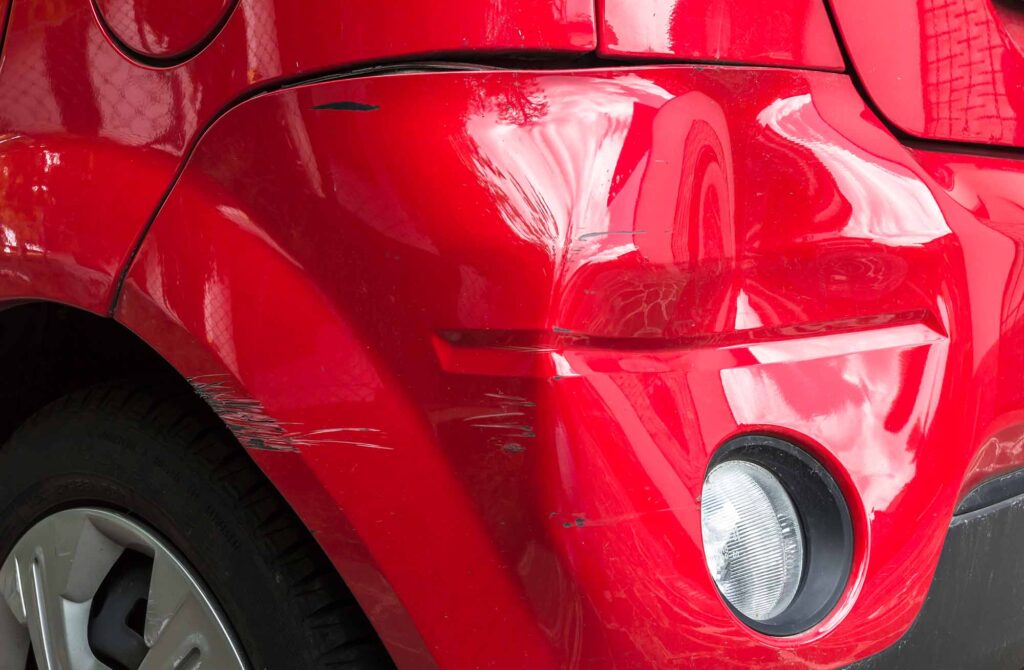
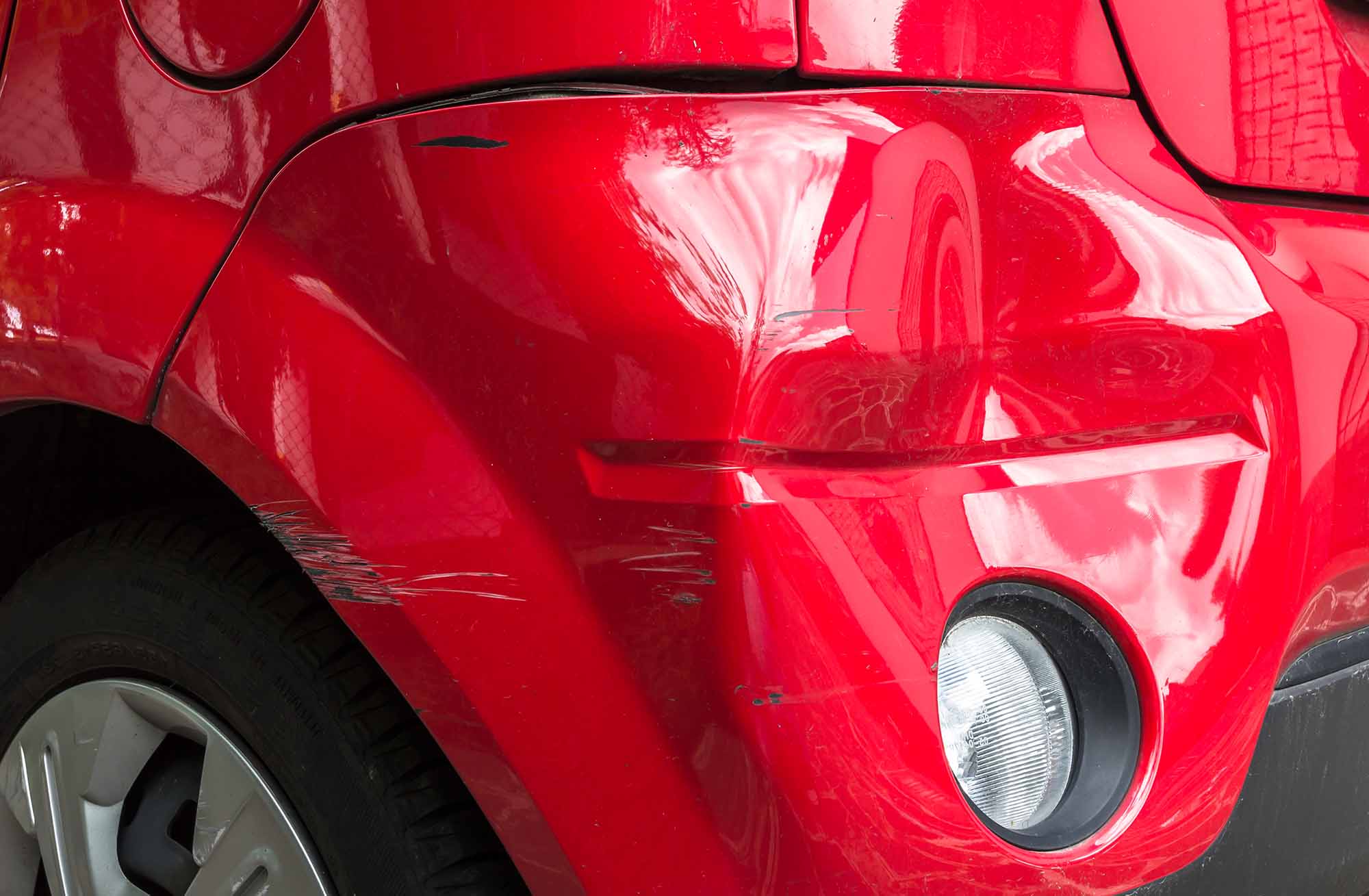
A dented bumper can happen surprisingly easily. A shopping cart rolls into your vehicle, someone bumps you in a parking lot, or you misjudge the distance between your car and another object. The result may be an annoying dent that makes an otherwise good-looking vehicle appear damaged.
Some minor bumper dents can potentially be improved at home. Others require professional auto body repair to restore the bumper properly and make sure there isn’t hidden damage behind it.
Can a Dented Bumper Be Fixed?
In many cases, yes.
Modern vehicle bumpers are commonly made from flexible plastic materials designed to absorb minor impacts. This was not always the case, but we won’t go into the history of auto bumpers. Because of this flexibility, some dents can be reshaped instead of requiring the entire bumper to be replaced.
Whether a bumper can be repaired depends on the type of damage.
A bumper may be repairable when:
- The bumper is dented but not severely cracked.
- The mounting points are still intact.
- There are no large pieces missing.
- The bumper has not been significantly stretched or distorted.
- Damage to sensors or other components is minimal.
If the bumper is torn, badly cracked, detached from the vehicle, or damaged around important mounting locations, replacement may sometimes be the better option.
How to Fix Bumper Dent Damage at Home
There are several DIY methods commonly used for minor plastic bumper dents. These techniques work best on relatively shallow dents where the plastic has been pushed inward but is otherwise intact.
1. Use Heat to Make the Plastic Flexible
Many plastic bumpers become more flexible when warmed.
One common DIY method involves carefully heating the affected area so the plastic becomes easier to reshape.
Heat may be applied using:
- Hot water
- A hair dryer
- A carefully controlled heat gun
Once the plastic becomes flexible, pressure can sometimes be applied from behind the bumper to push the dent outward.
However, overheating the bumper can damage the paint or plastic. A heat gun especially can generate enough temperature to permanently damage the bumper if held too close.
For this reason, this technique should only be attempted on minor damage and with considerable caution.
2. Push the Dent Out From Behind
If you can safely access the back of the bumper, you may be able to gently push the dent outward.
Access may require removing:
- A wheel-well liner
- Lower splash shields
- Interior trunk trim
- Bumper fasteners
Once access is available, gradual pressure can be applied behind the dent.
Avoid striking the bumper aggressively. Too much force can crack the plastic or create high spots that make the damage more difficult to repair.
3. Try the Hot Water Method
Another popular approach for learning how to fix bumper dent damage involves hot water.
Hot—not boiling—water can be poured over a plastic bumper to increase its flexibility. Once softened, the dent may be pushed outward from behind.
After the bumper returns closer to its original shape, cooler water can help the plastic firm back up.
This technique works best on simple plastic bumper dents where there is easy access to the backside of the damaged area.
It generally will not correct paint damage, cracks, sharp creases, or more significant collision damage.
4. Use a Dent Pulling Tool
Some bumper dents may respond to suction cups or specialized dent-pulling tools.
These tools attach to the outside surface and attempt to pull the dent outward.
Results can vary considerably.
A large, shallow dent may respond well, while dents with:
- Sharp edges
- Creases
- Paint damage
- Complex curves
may not move evenly.
Trying to pull a complicated dent incorrectly can also distort the surrounding bumper.
What If the Bumper Paint Is Damaged?
Fixing the shape of the bumper is only part of the repair if the impact also damaged the finish.
Bumper damage can include:
- Scratches
- Paint chips
- Deep gouges
- Paint cracking
- Clear coat damage
Minor surface marks may sometimes be polished, but scratches that penetrate the paint usually require refinishing.
Professional bumper refinishing typically involves preparing the damaged area, repairing imperfections, applying primer when necessary, color matching the vehicle’s paint, applying the appropriate finish, and blending the repair so it matches the surrounding surface.
Correct paint matching is particularly important on metallic, pearl, and multi-stage automotive finishes.
How to Fix Bumper Dent Without Repainting?
Sometimes.
If the paint remained intact and the bumper simply flexed inward, it may be possible to reshape the bumper without repainting it.
However, this depends heavily on the condition of the finish.
Repainting may be necessary if the impact caused:
- Cracked paint
- Deep scratches
- Exposed bumper material
- Paint transfer that cannot be removed
- Significant stretching of the finish
An auto body technician can usually determine fairly quickly whether the bumper can be repaired while preserving the original paint.
How Much Bumper Damage Is Too Much for DIY Repair?
Small cosmetic dents are one thing. Collision damage is another.
You should consider professional bumper repair if you notice:
- Cracks or splits in the bumper
- Torn mounting tabs
- Large or deeply creased dents
- Damage near parking sensors
- A bumper that no longer lines up correctly
- Gaps between the bumper and body panels
- Damaged lights or reflectors
- Warning lights after an impact
- Paint cracking or significant scratches
You should also have the vehicle inspected after a harder impact, even when the bumper doesn’t appear badly damaged.
What Can Be Damaged Behind a Bumper?
The visible bumper cover is only one part of the vehicle’s bumper system.
Behind it may be components such as:
- Impact absorbers
- Reinforcement bars
- Mounting brackets
- Wiring
- Parking sensors
- Blind-spot monitoring components
- Radar equipment
- Camera systems
A plastic bumper cover can sometimes spring back after an impact while components underneath remain damaged.
That means a bumper that looks relatively normal from the outside doesn’t necessarily guarantee that everything underneath is fine.
Bumper Dents and Modern Vehicle Safety Technology
Bumper repair has become more complicated as vehicles have added advanced driver assistance systems.
Depending on the vehicle, bumpers may contain or be positioned near technology used for:
- Parking assistance
- Rear cross-traffic alerts
- Blind-spot monitoring
- Collision warning systems
- Automatic emergency braking
- Adaptive cruise control
Repairing or replacing bumper components around these systems may require additional inspection or calibration.
This is one reason professional evaluation is particularly important after a collision involving a newer vehicle.
Should You Repair or Replace a Dented Bumper?
A dent does not automatically mean the bumper needs to be replaced.
Repair may be the better option when the bumper can be restored safely and economically.
Replacement may make more sense when there is extensive structural damage to the bumper cover, severe cracking, missing material, broken attachment points, or damage that would make a quality repair impractical.
A professional auto body shop can compare both options and determine which approach makes the most sense based on the vehicle and damage.
Is It Worth Fixing a Small Bumper Dent?
Even minor bumper damage can be worth repairing.
Cosmetic damage may affect the overall appearance and potential resale value of the vehicle. More importantly, what appears to be a cosmetic dent may occasionally hide damage to bumper mounts or components underneath.
Fixing the damage early can also prevent cracked paint or exposed materials from becoming more noticeable over time.
DIY Bumper Repair vs. Professional Bumper Repair
If you’re researching how to fix bumper dent damage because you want to avoid an unnecessary repair bill, starting with a careful inspection makes sense.
A small, flexible dent with no paint damage may sometimes be a reasonable DIY project.
Professional repair becomes the better choice when the damage involves paint, cracks, sharp creases, sensors, mounting points, or evidence of a more substantial collision.
The goal isn’t simply to make the dent disappear. A proper repair should restore the bumper’s appearance, alignment, attachment, and function.
Professional Bumper Repair at R Works
If your bumper has been dented, scratched, cracked, or damaged in a collision, R Works can evaluate the damage and recommend the appropriate repair.
Rather than guessing whether the bumper needs repair or replacement, having the damage professionally inspected can help determine what’s actually required.
Depending on the condition of the vehicle, bumper repair may include reshaping the damaged area, repairing plastic, refinishing the bumper, matching the vehicle’s paint, replacing damaged components, or addressing related collision damage.
Learn more about our bumper repair.
Have a Dented or Damaged Bumper?
If a parking lot accident, minor collision, or unexpected impact left your vehicle with bumper damage, contact R Works to have it inspected.
A professional assessment can determine whether the bumper can be repaired, whether refinishing is necessary, and whether anything behind the bumper was affected.
Frequently Asked Questions: How to fix bumper dent
Can you pop a dent out of a plastic bumper?
Sometimes. Minor plastic bumper dents may be pushed back into shape after carefully warming the material. Deep creases, cracks, and damaged paint generally require more extensive repair.
Does boiling water really fix bumper dents?
Heat can make some plastic bumper materials more flexible, but using boiling water can create unnecessary risks. Results also depend on the shape and severity of the dent. Heating the bumper will not repair cracked paint, scratches, broken mounts, or hidden collision damage.
Can a body shop fix a bumper without replacing it?
Yes. Many bumper covers can be repaired depending on the location and severity of the damage. A technician can determine whether repair or replacement is the better option.
How to fix bumper dent timeframe?
Repair time depends on the extent of the damage, whether the bumper needs refinishing, whether replacement parts are required, and whether additional collision damage is discovered.
Should I repair a bumper if it’s only cosmetic?
It is still worth having the damage evaluated. What appears cosmetic from the outside can sometimes involve mounting brackets, reinforcement components, sensors, or other equipment behind the bumper.
Can bumper dents affect parking sensors?
They can. An impact near a parking sensor may affect the sensor itself, its mounting position, wiring, or surrounding bumper material. If parking assistance behaves differently after an impact, the system should be inspected.